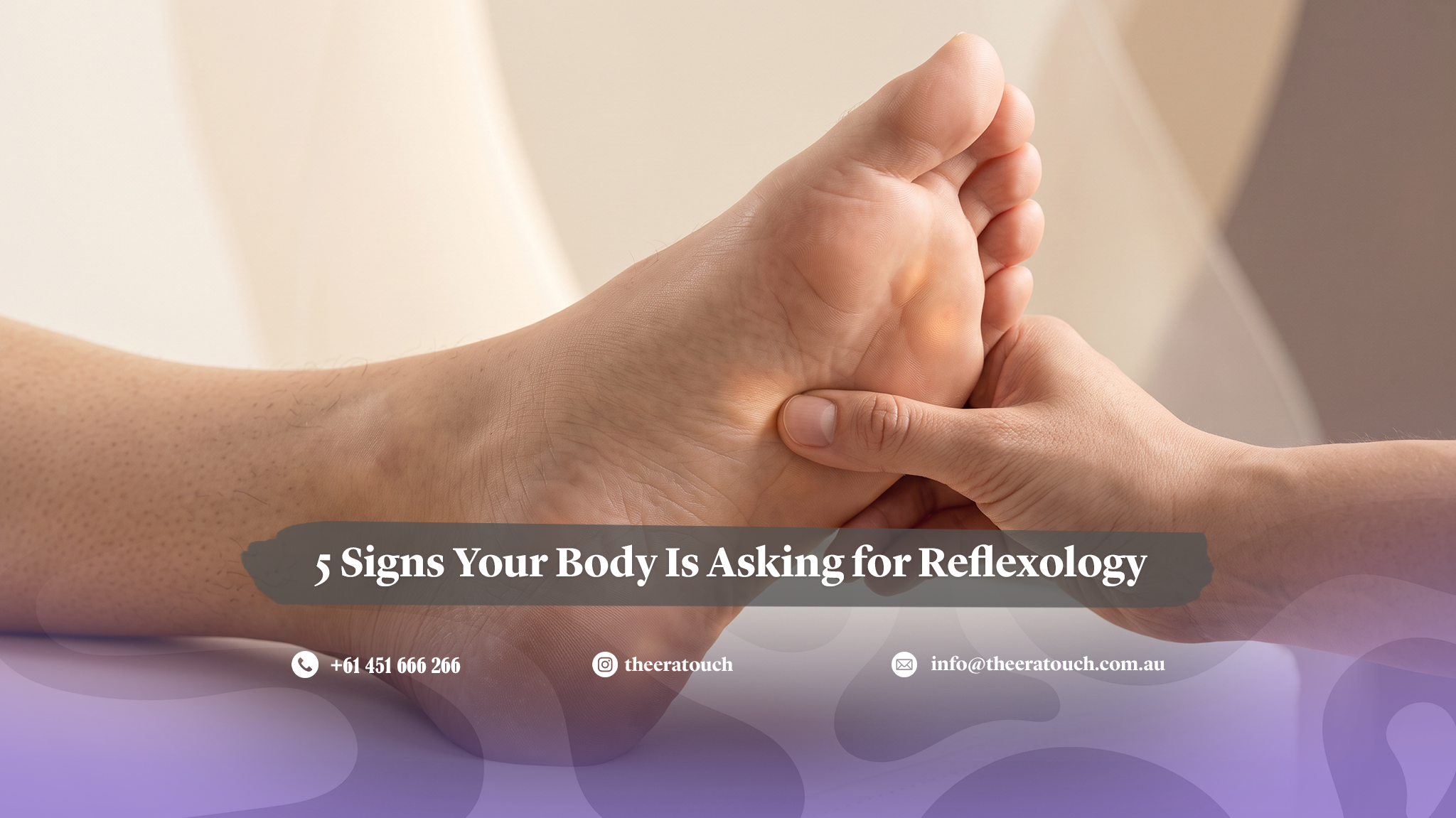
5 Signs Your Body Is Asking for Reflexology
Ever noticed how a simple foot rub can make your whole body feel completely relaxed? While a basic massage feels great after a long day, true relief for chronic stress, tension, and persistent pain requires a far more targeted approach. If you have been battling relentless headaches, struggling with poor sleep, or feeling a general sense of sluggishness, your body might be signalling that it needs much deeper support. This is where professional reflexology in Greenacre can make a profound difference to your physical and emotional well-being.
Unlike a standard salon foot rub, reflexology is a sophisticated natural therapy that maps specific points on your feet to your body’s vital organs, glands, and systems. By applying precise pressure to these complex neural pathways, a practitioner can help release long-held energetic blockages and stimulate your body’s innate healing processes. For those in Sydney, NSW dealing with the daily grind, this targeted therapy offers a natural, non-invasive way to restore harmony. Let’s explore why this ancient practice is so much more than just a foot massage, and look at the signs indicating it is exactly what your body has been asking for.
What Is Reflexology?
Reflexology is a non-invasive natural therapy based on the foundational principle that there are specific reflexes located in the feet, hands, and ears that directly correspond to every single gland, organ, and physiological part of the human body. Originating from ancient healing traditions dating back thousands of years, modern reflexology has evolved into a highly structured, evidence-based modality that is frequently used alongside traditional Western medicine to promote overall wellness.
At its core, the practice involves the application of targeted, systematic pressure using the practitioner’s thumbs and fingers. Rather than simply kneading muscle tissue to relieve local physical tension, a skilled reflexologist essentially ‘reads’ the feet. Areas of sensitivity, stiffness, or a ‘crunchy’ feeling under the skin—often caused by uric acid or calcium crystal deposits—can indicate congestion or an energy imbalance in the corresponding body part. By methodically working through these blockages, reflexology encourages the body to return to a state of homeostasis, which is its natural, optimal balance. It is a highly respected holistic therapy that supports the physical, mental, and emotional well-being of the patient without the use of harsh, synthetic medications.
How Does It Work?
The human foot is an absolute engineering marvel, containing 26 bones, 107 ligaments, 19 muscles, and over 7,000 highly sensitive nerve endings. These nerve endings are the critical key to understanding how reflexology truly works. The most widely accepted scientific explanation behind its effectiveness is the Central Nervous System link. When a natural therapist applies specific pressure to a designated reflex point on your foot, a calming neurological message is sent from the peripheral nerves all the way up to the central nervous system.
This vital signal encourages the body to automatically adjust its tension levels and significantly enhances both blood and oxygen circulation. As circulation improves, the body becomes far better equipped to efficiently flush out cellular toxins and deliver vital nutrients to damaged tissues. Furthermore, this state of deep relaxation reliably triggers the parasympathetic nervous system—often referred to as the body’s “rest and digest” mode. In this restorative state, your body drastically reduces the production of harmful stress hormones like cortisol, allowing your immune system to function at its absolute best and your muscular system to release deeply built-up tension. It’s essentially a biological reset button for your entire nervous system, accessed conveniently and safely through your feet.
📍 Interested in trying reflexology? Book your first session at Theera Touch, Greenacre → theeratouch.com.au/booking
What Can It Help With?
Your body constantly communicates with you through physical symptoms. If you are experiencing any of the following, it may be a clear sign that your body is asking for a targeted reflexology session. Here are 7 conditions that this reflexology therapy has been shown to help manage:
Chronic Stress and Anxiety: Helps lower cortisol levels and calm an overactive nervous system, making it easier to navigate daily pressures.
Poor Sleep and Insomnia: Promotes the profound relaxation necessary for restorative, uninterrupted sleep cycles.
Headaches and Migraines: Relieves the tension in the neck and head reflex points, often reducing the severity and frequency of headaches.
Digestive Disorders: Stimulates the specific digestive reflexes to help manage issues like bloating, constipation, and irritable bowel symptoms.
Chronic Pain and Joint Stiffness: Encourages the release of endorphins—the body’s potent natural painkillers—to assist with conditions like arthritis or chronic lower back pain.
Low Energy and Fatigue: Boosts sluggish circulatory systems, ensuring that more oxygen is delivered to your cells, ultimately leaving you feeling revitalised.
Sinus Congestion: Targets the sinus reflexes located in the toes to help drain stubborn congestion and relieve facial pressure.
What to Expect at Theera Touch
When you visit Theera Touch in Greenacre, Sydney, you are in the hands of highly skilled and dedicated professionals. Your wellness journey begins with a brief, comprehensive consultation with our Senior Natural Therapist, Mohamed Khateb (or our equally experienced therapist, Mahmoud). With over 15 years of clinical experience, Mohamed takes the time to truly understand your specific health concerns, lifestyle, and what you hope to achieve from your visit.
A standard reflexology session typically lasts between 35 and 45 minutes. You will be asked to simply remove your shoes and socks and recline on a comfortable, supportive treatment bed. Mohamed will then use specialized thumb and finger walking techniques across the entire surface of your feet. The pressure is firm but should never be unbearably painful; many clients describe it as a “good hurt” that quickly melts into a state of deep, meditative relaxation. Because our clinic proudly speaks both Arabic and English, we ensure that all our clients feel completely understood and comfortable throughout their visit. By the end of your session, you can expect to feel lighter, calmer, and much more grounded. You can view our full range of therapies at theeratouch.com.au/services and check our session rates at theeratouch.com.au/pricing.
The Science Behind It
While reflexology is beautifully rooted in ancient wisdom, modern clinical science is increasingly validating its benefits, particularly in the realms of pain management and nervous system regulation. A comprehensive 2020 meta-analysis published in the journal Evidence-Based Complementary and Alternative Medicine (indexed on PubMed) reviewed 26 randomized controlled trials involving 2,366 participants.
The researchers definitively found that foot reflexology intervention significantly improved adult depression, anxiety, and sleep quality. The study specifically noted that an increase in total foot reflexology duration was closely linked to significant improvements in sleep patterns. This scientific validation highlights that reflexology is not just a placebo or a simple relaxation tool; it has measurable, physiological effects on the brain’s neurochemistry and the body’s physical stress response. By naturally shifting the body out of a state of “fight or flight,” reflexology creates the optimal biological environment for cellular repair.
Frequently Asked Questions
Is reflexology painful?
No, reflexology should not cause you pain. You may feel mild tenderness or a unique sensitivity when the practitioner works over an area of congestion or a blocked reflex point, but this is usually described as a highly therapeutic sensation. Your practitioner will always communicate with you and adjust the pressure to suit your comfort levels.
How many sessions will I need?
The ideal number of sessions depends entirely on your individual health goals. For acute issues like a recent bout of high stress, you may feel significant relief after just one or two sessions. For chronic, long-term conditions, a course of four to six weekly sessions is often recommended to help properly reset the body’s systems, followed by monthly maintenance visits.
Can reflexology diagnose illnesses?
No. A reflexologist is a natural therapist, not a medical doctor, and will not diagnose medical conditions, prescribe medications, or treat specific diseases. Instead, reflexology assesses energy and physical imbalances in the body and aims to restore holistic wellness, working beautifully alongside your standard medical care.
Are there any side effects?
Reflexology is a very safe modality, but occasionally you may experience what is known as a “healing crisis” following a session. This can include mild fatigue, increased urination, or a slight headache as your body flushes out stagnant toxins. These effects are completely temporary and are actually a positive sign that your body’s natural healing pathways have been successfully activated.
Conclusion
In our fast-paced modern world, taking the time to listen to your body is more important than ever. Whether you are battling persistent headaches, struggling to get a good night’s sleep, or simply feeling overwhelmed by constant stress, your feet hold the key to unlocking better health. Reflexology offers a natural, non-invasive way to support your nervous system, reduce pain, and safely restore your vitality. Don’t ignore the clear signs your body is giving you—take a proactive step toward holistic wellness today.
Medical disclaimer: This article is general information only and is not medical advice, diagnosis, or treatment. Natural therapies are complementary to, not a replacement for, conventional medical care. Always consult your doctor or a qualified health practitioner before starting any therapy, and never stop or change prescribed medication without speaking to your doctor first. If you are experiencing a medical emergency, call 000.